Wildlife Wednesday - Mammals of K’gari
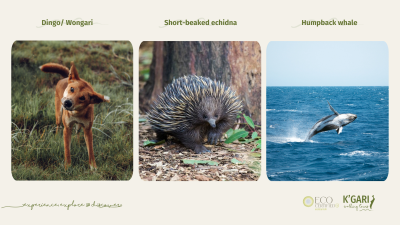
K’gari’s mammals range from small, ground-dwelling foragers to ocean giants passing just offshore. Each plays a vital role in the island’s ecosystems, moving between forest, sand, and sea. This Wildlife Wednesday, we spotlight three mammals that walkers may encounter, or glimpse, while exploring this World Heritage-listed island.
K’gari’s mammals range from small, ground-dwelling foragers to ocean giants passing just offshore. Each plays a vital role in the island’s ecosystems, moving between forest, sand, and sea. This Wildlife Wednesday, we spotlight three mammals that walkers may encounter, or glimpse, while exploring this World Heritage-listed island.
Dingo (Wongari)
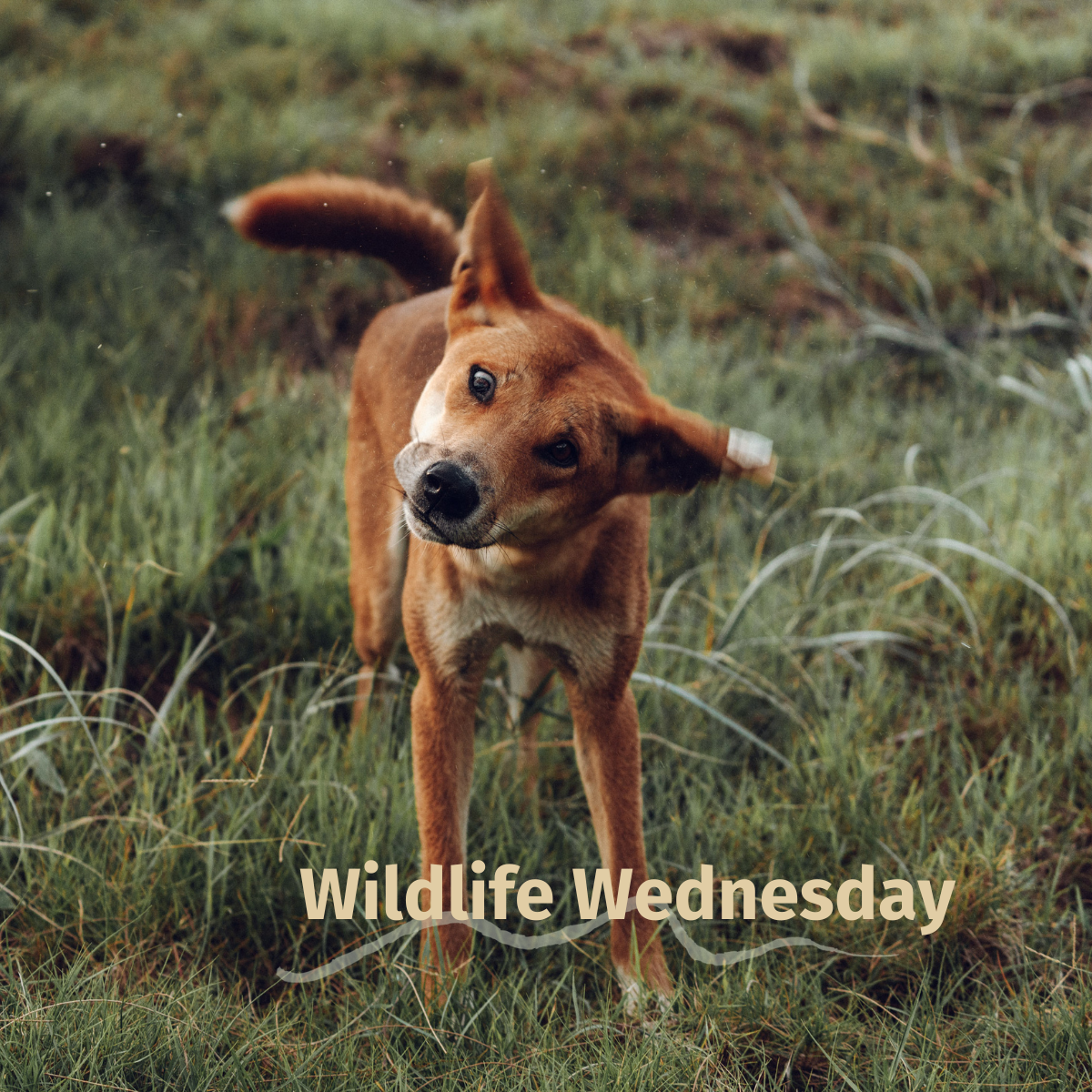
K’gari is home to one of Australia’s purest populations of wild dingoes. These iconic canines are deeply woven into the island’s ecology, helping to maintain balance among animal populations and shaping the natural order of the landscape.
Dingoes are often seen at dawn or dusk, moving quietly along beaches or forest edges. Their sandy coats blend seamlessly into the environment, making sightings feel fleeting and special. Curious yet cautious, they remind visitors that K’gari remains a truly wild place.
Short-beaked Echidna
The short-beaked echidna is one of Australia’s most unusual mammals - a monotreme that lays eggs and feeds primarily on ants and termites. On K’gari, echidnas can be found in forested areas and sandy soils, using their powerful claws to dig for food.
Often slow-moving and solitary, echidnas are easy to miss until you notice a rounded, spiny shape ambling through leaf litter. When threatened, they curl into a tight ball or dig themselves into the ground, leaving only sharp spines exposed.
Interesting fact: Echidnas have no teeth! Instead, they use long, sticky tongues to collect insects from nests and soil.
Humpback Whale
Each winter, the waters off K’gari become a highway for one of nature’s most extraordinary migrations. Humpback whales travel thousands of kilometres from Antarctic feeding grounds to the warmer waters of Queensland to breed, calve, and rest - passing close to K’gari’s eastern beaches along the way.
From lookout points and open beaches, walkers may be lucky enough to witness powerful breaches, tail slaps, or the slow roll of a whale surfacing offshore. These moments often stop people in their tracks, a reminder of how vast, wild, and interconnected this place truly is.